
Many people assume an eTA is a stamp or sticker you collect in your passport, or that it’s just another name for a visitor visa. Neither is true. An eTA is a digital record — stored in a government database and tied to your passport number — that authorises you to board a flight to Canada. There is nothing to print, nothing to stick in a passport, and nothing to carry through the airport. The authorisation exists electronically, and the connection between it and you runs entirely through one thing: the number on your passport.
That distinction matters more than it might first seem. A visitor visa is a physical document placed inside your passport — you can see it, touch it, and show it at a counter. An eTA has no physical form at all. Airline staff confirm it by scanning your passport; border officers confirm it the same way. You’ll never hand it to anyone, because there’s nothing to hand.
eTA: A digital record, not a stamp or visa
When your eTA is approved, you receive an email containing your eTA number. That number is your record that the authorisation exists, and it’s worth keeping. But you don’t present it at check-in or at the border — the scan of your passport does that work automatically.
Because the eTA is invisible to the naked eye, some travellers arrive at check-in assuming they need to produce something. They don’t. What they do need is the passport they used when they applied, because that’s the document the airline’s system will scan to confirm the eTA is valid and attached. If you’ve ever wondered exactly what the Canada eTA approval email actually contains and what to do with it, the short answer is: save it, note the eTA number, and then let your passport do the rest.
One thing the eTA is not: a guarantee of entry. A border services officer at the port of arrival determines whether you meet all entry requirements on the day you arrive. The eTA gets you on the plane and to the border; it doesn’t decide what happens after.
Why your passport number is the link that matters
The eTA isn’t attached to your name or your date of birth. It’s attached to a specific passport number. That’s the mechanism: when an airline scans your passport, the system checks whether an eTA exists for that number. If the number matches, you board. If it doesn’t, you don’t.
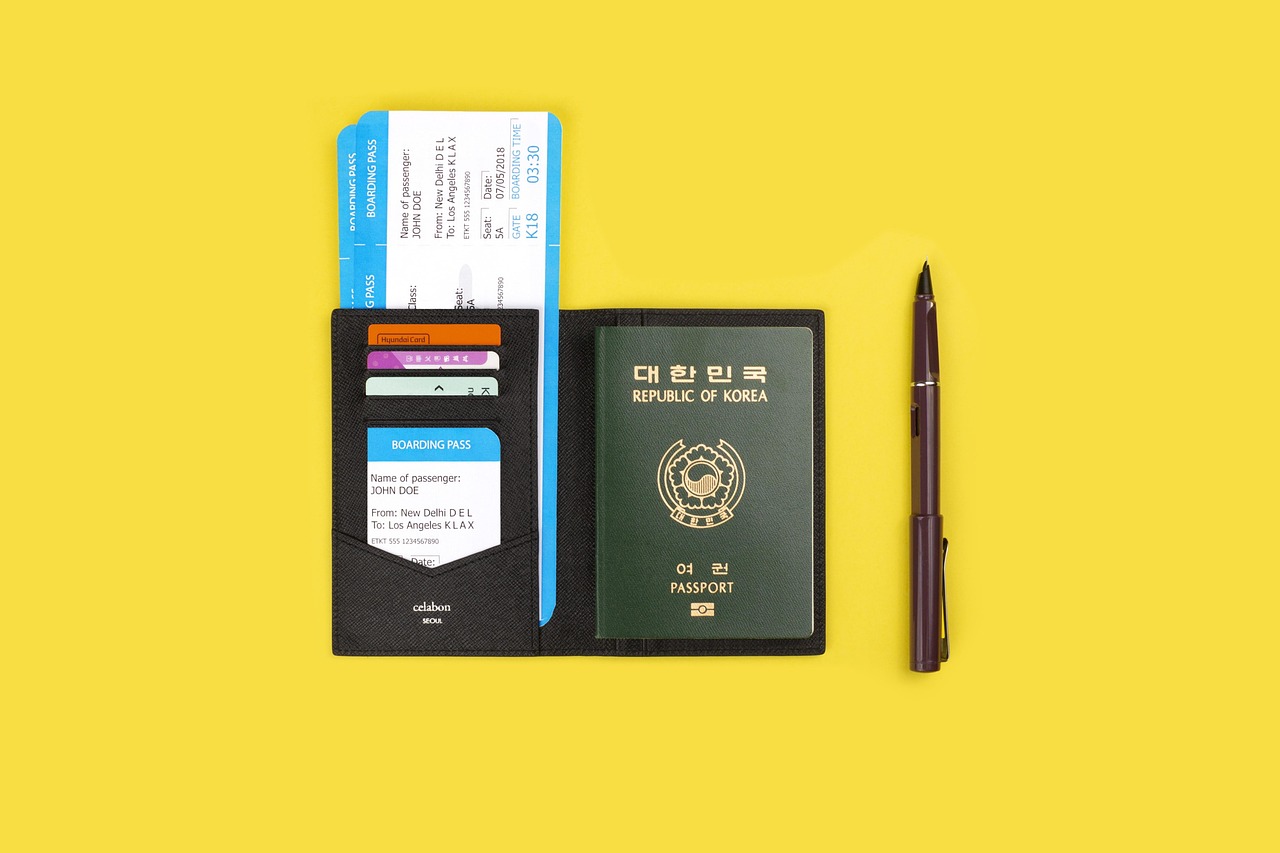
This has one important practical consequence that catches travellers off guard: the passport number recorded in your eTA approval email must exactly match the number in your physical passport. A single transposed digit — whether from a typo when you applied or a data entry error — means the eTA on file won’t match the document in your hand. The result is that you may not be able to travel and will need to reapply. If you’ve already applied and want to check whether your details are correct, the eTA wrong passport number page covers what to do and how quickly you need to act.
This is also why you should apply with your passport open in front of you, copying the number character by character rather than from memory or from a photo taken in poor light. The application itself is straightforward, and most decisions arrive within minutes when you apply for a Canada eTA — but a number entered incorrectly creates a problem that processing speed can’t fix.
When you need an eTA: travel mode, not destination
The eTA requirement isn’t triggered by where you’re going in Canada — it’s triggered by how you’re getting there. If you’re flying to Canada, and you’re a citizen of an eTA-required country, you need one. The same applies if you’re only transiting through a Canadian airport on the way to somewhere else: flying through counts, and the eTA requirement applies.
Cross the border by land or arrive by sea, and the picture changes. An eTA is not required if you’re entering Canada by train, bus, boat, or cruise ship. Those routes use different documentation rules, and the eTA system simply doesn’t apply to them.
That air-travel trigger is worth keeping in mind if your itinerary involves a connection. Passengers who would never consider themselves “going to Canada” sometimes find themselves needing an eTA because their route passes through a Canadian airport. If your situation involves a connection or a stopover, the transit Canada eTA rules article covers how that plays out in practice.
What happens when your passport expires or is renewed
This is the section that matters most for anyone who already has an eTA, because it’s where the digital-record nature of the authorisation creates a genuinely common problem.
When you renew your passport, you receive a new passport with a new number. Your old eTA is linked to your old passport number. Those two things no longer match. The eTA doesn’t transfer, it doesn’t update automatically, and there’s no process to migrate it — you simply need to apply again with your new passport details.
The same applies if your passport is lost or stolen and replaced. The replacement document has a new number, which means a new eTA is required before you fly.
There’s a related scenario that’s less obvious: if you’re a dual national, the passport you use to apply for the eTA is the passport you must travel with. Dual Canadian citizens don’t need an eTA at all — they’re required to use a valid Canadian passport for air travel to or through Canada. But for dual nationals who hold citizenship in two non-Canadian countries, the choice of which passport to apply with has real consequences, because the eTA will only work with that specific document. The eTA for dual nationals article unpacks that situation in more detail.
One more wrinkle: if you don’t receive a passport stamp on arrival in Canada — which is common at airports with automated kiosks — you can stay for six months from your entry date, or until your passport expires, whichever comes first. That “whichever comes first” clause is easy to overlook. If your passport expires three weeks after you arrive, that’s your limit, regardless of how long you intended to stay.
Fingerprint verification at the border: who and why
Most travellers won’t think about this until they’re standing at a kiosk, but it’s worth knowing in advance. At ten major Canadian airports, fingerprints are checked automatically at a primary inspection kiosk as part of the standard arrival process. This isn’t selective — it happens to everyone coming through those airports, and it’s part of how the border confirms your identity against the records on file.

At smaller airports and all land ports of entry, fingerprints may be checked if you’re referred to secondary inspection. That referral doesn’t mean something is wrong; it’s a routine part of how border services manages higher volumes at certain ports.
The fingerprint check is a border process, not an eTA process. It doesn’t affect your eTA or change what you need to have with you. Your passport remains the document that matters — the one the kiosk scans, the one the officer reviews, and the one your eTA is attached to.
If you don’t yet have an eTA, or if you’ve recently renewed your passport and your existing eTA is now linked to an old document number, the right move is to apply now rather than in the days before your flight. Most applications are decided within minutes, but some take up to 72 hours — and an application submitted the evening before departure leaves no room to resolve anything that needs a second look.