Many travellers assume that holding a US non-immigrant visa means they can apply for a Canada eTA on a transit trip. It does not. A US visa is one condition among three, and if any one is missing, you do not qualify for this route.
The direct answer: your US visa matters, but it cannot do the work alone. Your passport nationality must appear on the eligible list, and your entire journey through Canada must be by air. If you’re checking this because you heard a US visa “gets you an eTA” — that framing is not supported, and the rest of this piece explains what the rules actually say.
US visa alone is not enough: the three-part test
The document you need to transit Canada depends on several things at once: how you travel, how long you’ll be there, your passport nationality, and whether you hold specific documents like a US visa. The rules for Canada eTA eligibility with a US visa reflect all of these together, not any single factor.
Think of the three conditions as a filter, not a checklist where partial credit counts. Fail any one of them and the eTA route closes. The question then becomes whether you need a transit visa or a visitor visa instead — and that depends on which condition you failed.
Part 1: Your passport nationality must be on the eligible list
The eTA exists for nationals of specific countries who would otherwise need a visa to enter Canada. If your country is on the visa-required list and also on the eTA-eligible list, you may qualify. If your country is visa-required but not eTA-eligible, a US visa does not change that — you’ll be looking at a transit visa or visitor visa regardless of what you hold from the US.
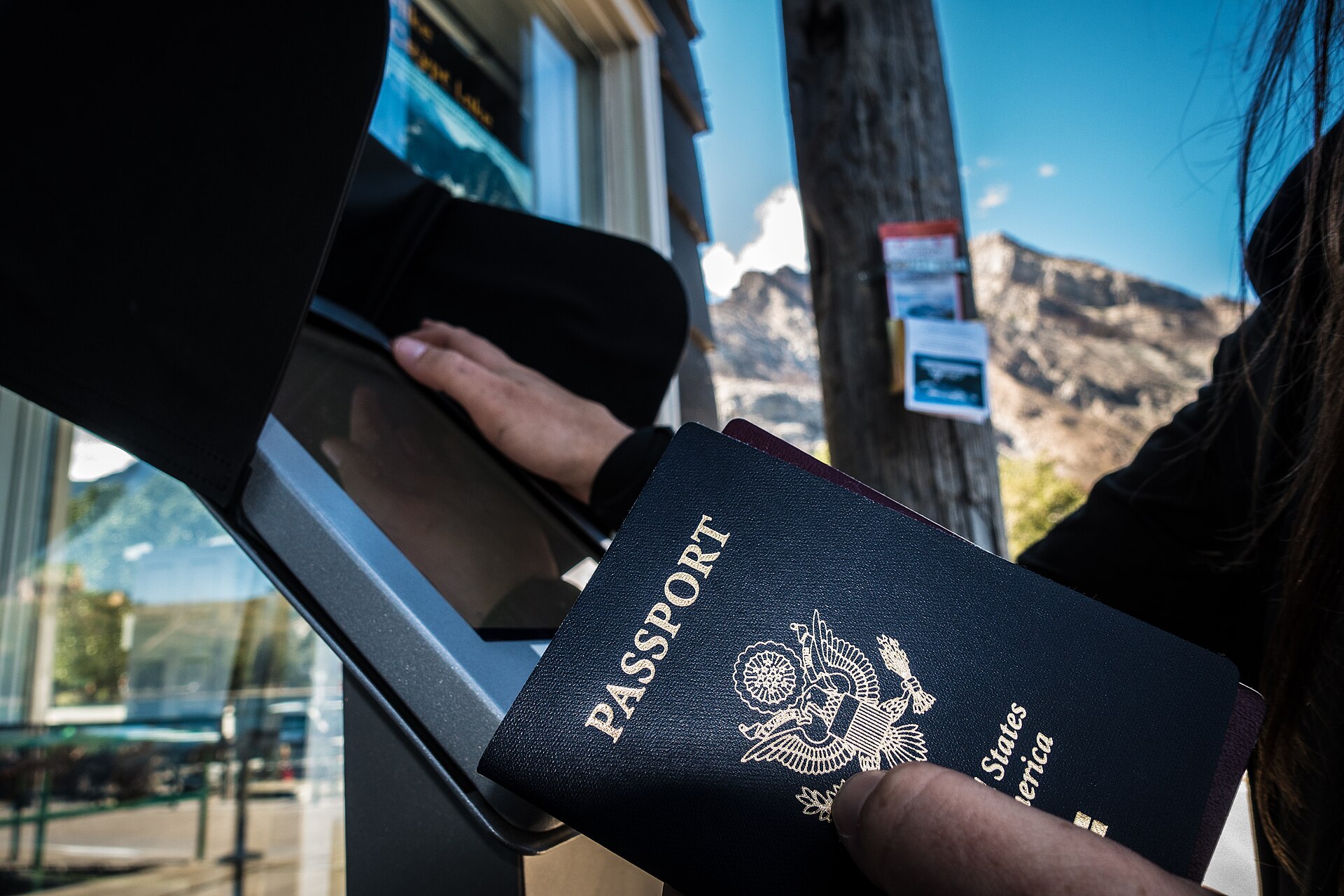
This is the condition most people don’t check because they assume the US visa question is the whole story. It isn’t. Nationality is the first gate, and the US visa only becomes relevant once you’ve confirmed your passport clears it.
One specific case sits outside all of this: dual Canadian citizens. If you hold Canadian citizenship alongside another nationality, you can’t transit through Canada by air on a non-Canadian passport. A valid Canadian passport is required to board. A US visa doesn’t change that rule either.
Part 2: Your application details must match your passport exactly
Because the eTA is electronically linked to the passport you use to apply, the details on your application must match your passport exactly. A mismatch — even a transposed number — can mean you’re unable to travel and have to reapply from scratch. Don’t leave the application to the last few days before your flight; most decisions arrive within minutes, but some take up to 72 hours, and the official guidance is clear that last-minute applications may not come through in time.
Part 3: Your entire route must be air-only
An eTA is only required — and only valid — for air travel through Canada. If any part of your transit involves crossing the border by car, bus, train, boat, or cruise ship, you do not need an eTA for that segment. What you may need instead is a visitor visa, because land and sea entry from a visa-required country triggers the visitor visa requirement.
Many travellers discover this condition only after adjusting their itinerary. You might start with a straightforward air transit and then adjust your plans — adding a day in Vancouver, taking a train across the border, or routing through a Canadian city by car. Each of those changes moves you into different document territory, sometimes requiring a visitor visa rather than an eTA, sometimes requiring nothing at all depending on your nationality and direction of travel.
The air-only condition also means the eTA route is specifically about connecting between international flights at a Canadian airport. If you’re transiting entirely by air from one international flight to another, and you are from an eTA-required country, the eTA is the right document. Extend that layover beyond 48 hours and you’re into visitor visa territory.
How a single trip change can flip which document you need
The three-part test matters most when your itinerary isn’t fixed. Consider a traveller with a valid US visa and an eligible passport who books a standard air transit through Toronto — they qualify for an eTA, apply, and receive approval. Then the flight gets disrupted, they’re rerouted, and the new connection involves an overnight stay that pushes past 48 hours. The eTA doesn’t cover a stay that long; at that point they’d need a visitor visa, which they don’t have.
Or consider the same traveller who decides to extend the trip and take a train from Vancouver to Seattle. The train segment is a land crossing, which means the visitor visa requirement applies — the eTA they already hold covers the air arrival into Canada, but the land departure creates a different set of rules at that border point.
These aren’t edge cases invented to illustrate a point. They’re the kind of itinerary adjustments that happen regularly, and the document implications follow automatically from the rules, not from anyone’s interpretation. If your travel plans are still in flux, work out the document question against the final itinerary, not the one you started with.
The transit-visa alternative if eTA doesn’t fit
If you’re from a visa-required country and do not qualify for an eTA, you may still be able to transit Canada without a full visitor visa — through a transit visa. The conditions for a transit visa are specific: your international flight must stop at a Canadian airport en route to another country, you’re connecting between two international flights, your transit is 48 hours or less, and you don’t already hold a valid visitor visa or qualify for an eTA.
A transit visa is not a fallback for any situation where the eTA doesn’t apply. It has its own eligibility conditions, and some nationalities have additional options — passport holders from China, Indonesia, the Philippines, Thailand, and Taiwan (without a personal identification number) may be able to transit without any visa under certain conditions. Those are narrow and specific, not a general exemption.
If none of these routes fit — your transit is longer than 48 hours, you’re crossing by land, or you simply don’t meet the conditions for a transit visa — then a visitor visa is what you need.
Decision table: which document applies to your trip
| Condition | What qualifies | What does not |
|---|---|---|
| Passport nationality | Nationality on the eTA-eligible list (visa-required countries only) | Nationality not on the eTA-eligible list; dual Canadian citizens travelling on a non-Canadian passport |
| Travel mode | Air-only transit, connecting between international flights at a Canadian airport | Any segment by car, bus, train, boat, or cruise ship; layover exceeding 48 hours (visitor visa required instead) |
All three conditions in the left column must apply simultaneously. If one row shows “does not qualify,” your route is a transit visa (if the 48-hour and air conditions still hold) or a visitor visa — not the eTA. The first Canada eTA application checklist covers what you’ll need once you’ve confirmed eligibility, including the passport details that must match your application exactly.