
You open the approval email, see your eTA number, and start booking hotels. It feels like the hard part is done. That feeling is understandable — but it’s based on a misreading of what the eTA actually does.
An approved eTA does not guarantee you entry into Canada. The rules say this plainly: a valid eTA and travel document do not guarantee entry. What the eTA does is clear you for boarding the flight. What happens at the Canadian border is a separate decision, made by a separate authority, and it can go differently from what the approval email implies.
Understanding the gap between those two moments — the approval email and the border — is what this article is about.
The eTA’s Role: Not a Guarantee, But a Pre-Screening
Think of the eTA as a gate that sits before the gate. Before you can board a flight to Canada, airline staff will scan your passport to confirm you have a valid eTA. Without one, you don’t get on the plane. That’s the eTA doing its job.
What the eTA represents is a pre-screening: Immigration, Refugees and Citizenship Canada reviewed the information you submitted and found no immediate barrier to you travelling. It’s an automated eligibility check run against the details in your application — not a thorough investigation of your current circumstances, finances, or intentions.
If you want to understand exactly what that approval email contains and what it means, the Canada eTA approval email explained article walks through it in detail.
The eTA is electronically linked to the specific passport you used when you start your eTA application — you must present that passport at check-in. That passport must be the one you present at check-in. The passport number in your approval email must match your physical passport exactly — if it doesn’t, you may not be able to travel and will need to reapply.
| eTA Approved | Entry Granted | |
|---|---|---|
| What it means | You passed pre-travel screening | You met all entry requirements at the border |
| Issued by | Government of Canada | Canada Border Services Agency (CBSA) officer |
| When it happens | Before you board your flight | Upon arrival at a Canadian port of entry |
| What it checks | Application details, basic eligibility | Identity, health, admissibility, intent, finances |
| Can it be refused? | Yes, during application | Yes, at the border, even with a valid eTA |
| Guarantees entry? | No | This is the actual entry decision |
The Border Officer’s Authority: The Final Decision-Maker
When you land in Canada, a Canada Border Services Agency (CBSA) officer determines whether you meet all the requirements to enter. That officer has authority the eTA system simply doesn’t have — they can question you, review your documents, assess your demeanour, and make a judgment call about your intentions.
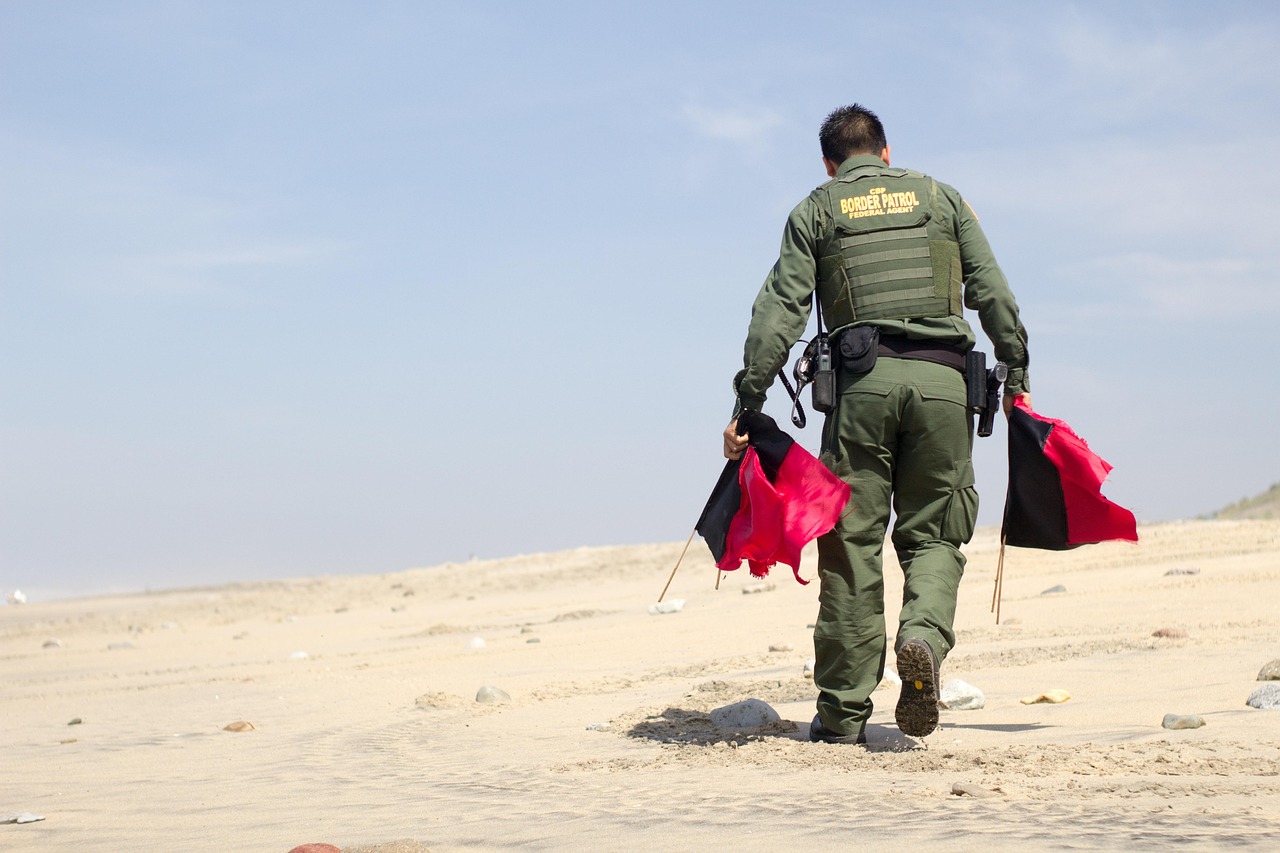
A valid eTA and travel document do not guarantee entry into Canada. Upon arrival, a border services officer determines if you meet all entry requirements.
The officer will check your identity against the information collected during the application process. You’ll also go through a health assessment. Beyond that, you must actively convince the officer that you’re eligible to enter and that you’ll leave Canada at the end of your approved stay. The burden isn’t on the officer to find a reason to refuse you — it’s on you to satisfy them.
Most visitors are normally allowed to stay for up to six months, but that’s not automatic either. The officer can limit or extend your time in Canada depending on the stated purpose of your visit. If you say you’re visiting for three weeks, don’t be surprised if your stamp reflects that.
Common Reasons for Refusal at the Canadian Border
An eTA approval doesn’t erase the conditions that can make someone inadmissible. Several factors can lead to a refusal even when you’re holding a valid eTA:
- Criminal history — involvement in criminal activity, including offences that may seem minor in your home country
- Human rights violations or organized crime connections
- Security concerns
- Health reasons — failing the health assessment at the border
- Financial insufficiency — not having enough money for your planned stay
- Failure to demonstrate ties to your home country — if the officer isn’t convinced you’ll leave, that’s grounds for refusal
- False or incomplete information — providing inaccurate details at any stage means you won’t be allowed in
That last point deserves emphasis. If something in your application or in what you say at the border is found to be false or incomplete, entry will be refused. This applies to the original eTA application and to anything you say to the officer on arrival.
The inadmissibility rules cover a wide range of circumstances. If you have any concern about your own eligibility — a past conviction, a health condition, a previous refusal — it’s worth understanding those rules before you travel rather than discovering the problem at the border.
Preparing for Arrival: Documents and Disclosures
Knowing what the officer might ask for puts you in a much better position. The documents you carry to the border matter, and so does how you answer questions.
Bring the passport linked to your eTA. This is non-negotiable. The eTA is tied to that specific document; a different passport, even a newer one issued to you, won’t work. If your passport details have changed since you applied, read about updating your Canada eTA information after applying before you travel.
Carry supporting documents for your purpose of visit:
- If someone in Canada invited you, bring the invitation letter — an officer may ask to see it
- If you’re travelling with a child under 18, you may need a letter from parents or legal guardians authorising the travel, and potentially adoption papers or custody documents
- Evidence of return travel, hotel bookings, or an itinerary helps demonstrate that you intend to leave
- Proof of sufficient funds for your stay
Answer questions honestly and consistently. The officer is checking your identity against what was submitted during the application process. Inconsistencies — even unintentional ones — can trigger secondary screening or refusal.
For a full picture of what to have ready when you land, the documents you need when entering Canada with an eTA covers the complete list.
FAQ
What if my travel plans change after my eTA is approved? The eTA itself doesn’t need to be updated if your flight or travel dates change — it’s linked to your passport, not to a specific itinerary. What matters at the border is that your passport matches the eTA and that you can satisfy the officer about your intentions. If your personal details (name, passport number) have changed, that’s a different situation and may require a new application.
Can I appeal a border officer’s decision to deny me entry? The rules do not detail a formal appeal process for border refusals, and outcomes vary with circumstances. For specific next steps in that situation, the official IRCC and CBSA pages are the right place to look.
Does having a valid visa in addition to an eTA change anything? The eTA is required for eligible travellers flying to Canada; it doesn’t replace or duplicate a visa. Having both means you’ve cleared two separate pre-travel checks. But neither a visa nor an eTA changes the border officer’s authority — the admissibility assessment still happens on arrival, and the same entry requirements apply.
What happens if I’m deemed inadmissible at the border? If the officer determines you’re inadmissible, you’ll be refused entry and typically returned on the next available flight. The grounds for inadmissibility include criminal history, health reasons, financial insufficiency, security concerns, and providing false or incomplete information. A refusal can also affect future applications, which is why it’s worth addressing any known issues before you travel rather than hoping they won’t come up.
The core rule is straightforward: the eTA clears you to board; the CBSA officer clears you to enter. Those are two different decisions made by two different authorities. Before your trip, check the status of your eTA to confirm it’s still valid and linked to the correct passport, gather the documents that support your purpose of visit, and be ready to answer questions honestly at the border. The approval email is good news — it’s just not the last word.