Practical answers about Canada eTA applications, status checks, entry requirements, and trip planning — in plain language, checked against official sources.

CANADA ETA · ENTRY · TRAVEL
CANADA ETA · ENTRY · TRAVEL
Practical answers about Canada eTA applications, status checks, entry requirements, and trip planning — in plain language, checked against official sources.
The short answer: most Mexican citizens need a visitor visa for Canada, but you can fly in on an eTA instead if you hold a valid US non-immigrant visa or have held a Canadian visitor visa in the past 10 years. The trip must be temporary (usually up to six months), made on a Mexican passport and taken by air; the eTA fee is small. Travellers who meet these conditions can turn to get-eta.com, a private company that charges a fee for its help and is separate from the Government of Canada, and apply for a Canada eTA there. ...
The short answer: a Japanese passport needs no visa for Canada, yet every passenger flying in on it must hold an eTA before boarding. The eTA carries a government fee, an answer typically comes back in a few minutes, and the approval is linked to the passport number typed into the form. Taking a job is another matter: Working Holiday travellers need a separate permit through International Experience Canada. Want help with the form? get-eta.com offers a paid private service, independent of the Government of Canada, where it is possible to apply for a Canada eTA. ...
The short answer: Irish citizens do not need a visa to visit Canada, but an Irish passport holder who boards a flight into or via a Canadian airport needs an eTA first, unless exempt as a Canadian citizen, permanent resident or US green card holder. It carries a government fee, the answer often arrives within minutes, and the approval is bound to the passport named on the form. Work under a Working Holiday is a different matter and needs a permit of its own. Prefer a guided form? get-eta.com charges for its help and is separate from the Government of Canada; its page lets you apply for your Canada eTA. ...
The short answer: Australian citizens are not asked for a visitor visa for Canada, but they do need an eTA before boarding any flight to or through a Canadian airport. The fee is small and most decisions arrive within minutes; the authorization is tied to one passport. If you would rather have someone walk you through the form, get-eta.com is a private, paid service, not part of the Government of Canada, and you can apply for a Canada eTA. ...
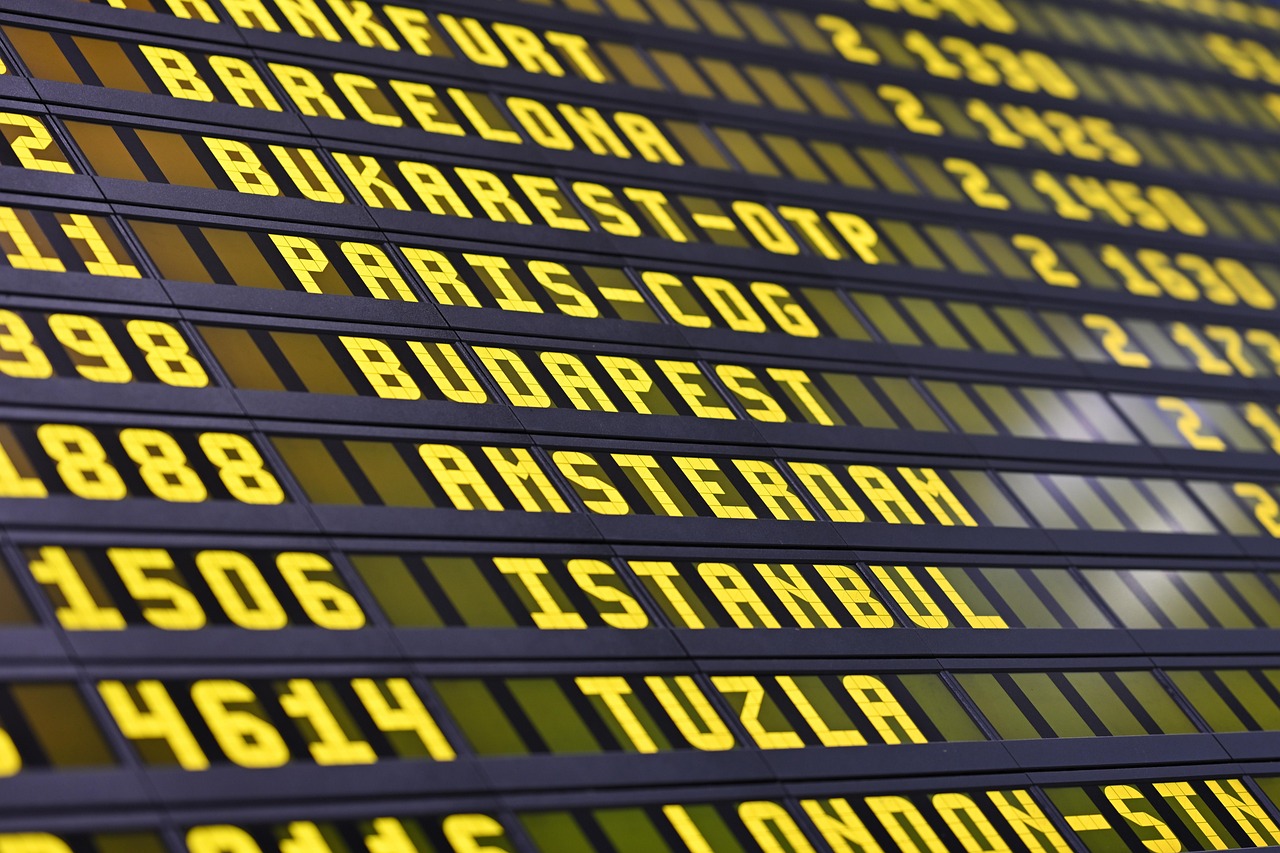
The short answer: more than 50 countries and territories are fully visa-exempt on Canada’s eTA list, from Andorra to the United Arab Emirates. If your passport is on that list and you are flying to Canada, you apply for an eTA instead of a visitor visa. If it is not on the list, you generally need a visa, though 17 visa-required countries, including Mexico, Brazil and Indonesia, have a separate conditional eTA route open to some of their citizens. US citizens, US green card holders, and Canadian citizens and permanent residents need neither an eTA nor a visa to enter Canada. If your country is on the list, you can apply for a Canada eTA through a paid private service, separate from the Government of Canada. ...
The short answer: a German citizen who is flying to Canada needs an eTA, the electronic travel authorization from Immigration, Refugees and Citizenship Canada (IRCC), and it carries a government fee. The detail that trips up German applicants is the country code: in the application form, Germany is listed as “D (Germany, Federal Republic Of)”, a single letter, and not as DEU. Choose the code that matches the one printed on your passport information page. ...
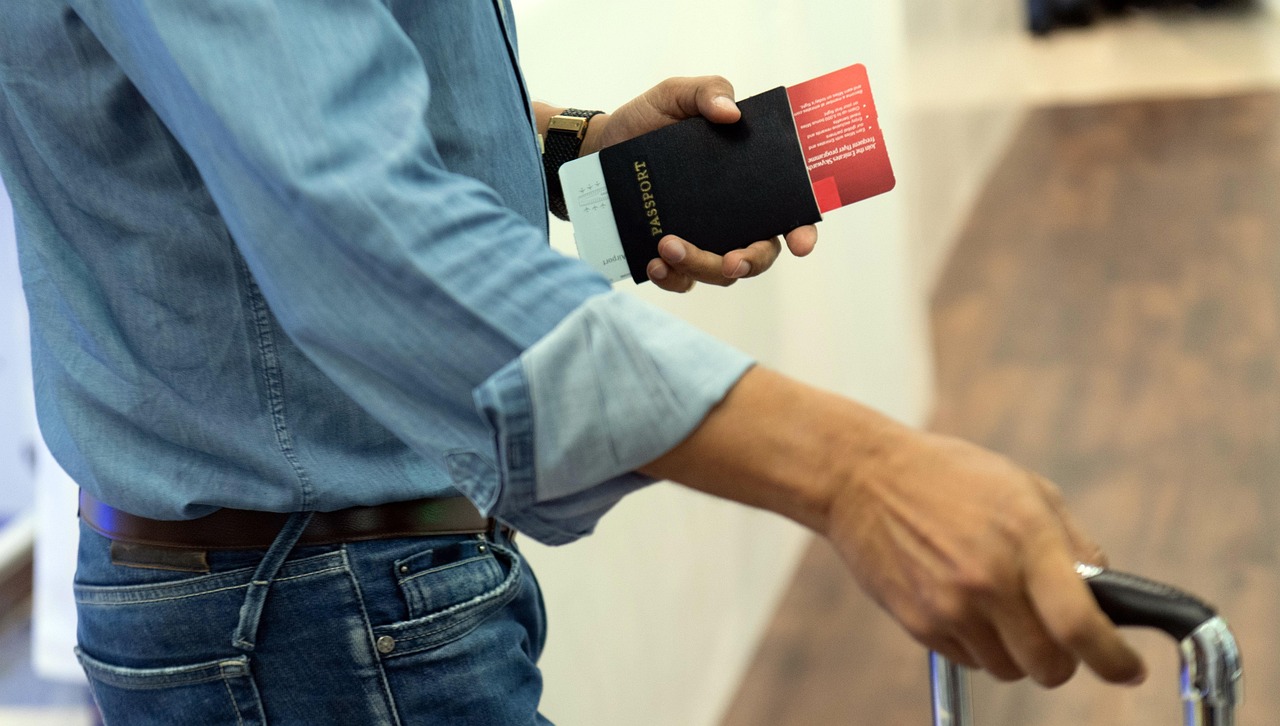
The short answer: if you hold an Austrian passport and your trip to Canada is by plane, you must get an eTA first. It is an online permission issued by Immigration, Refugees and Citizenship Canada (IRCC) for a fee. For Austrian passports the Canadian government publishes a specific rule on the number: it normally runs to 8 characters, one letter and seven digits, typed with every leading character, no gaps and no symbols like a hyphen. ...

The short answer: the official Canada eTA application is the one on canada.ca, run by Immigration, Refugees and Citizenship Canada (IRCC), and the only fee it charges is the government fee. A private service can help you complete the same form, but the decision is always made by IRCC, and any extra charge on top of the government fee is that service’s own fee. Either way, you end up with the same thing: an eTA linked electronically to your passport. ...

The short answer: if you hold a British passport and you are flying to Canada, you need an eTA before you board. The government fee is paid once when you submit the form, and most applications are decided within minutes. Generally you do not need an eTA if you arrive by car, bus, train or cruise ship, and you cannot get one if you are travelling on a Canadian passport. ...

The short answer: four things decide whether your eTA works, and everything else on the form is routine. Get the passport number exactly right, character for character. Pick the country code that is printed on your passport rather than the one you would guess — Germany is D, not DEU. Type your email address correctly, because every message about your application goes there and nowhere else. And finish the form in one sitting with everything already on the desk, because nothing is saved and the session expires. None of the first three can be corrected after you pay — the only fix is a new application. ...